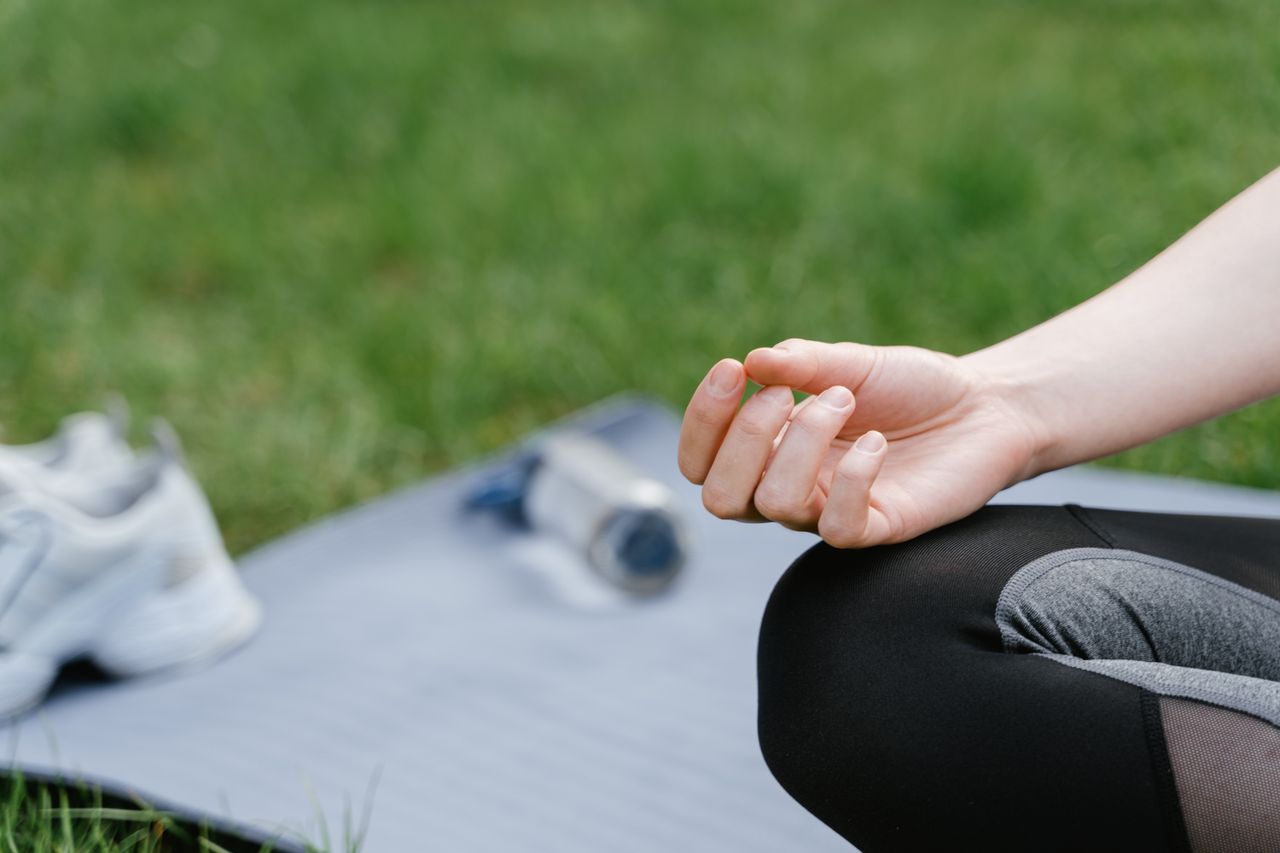

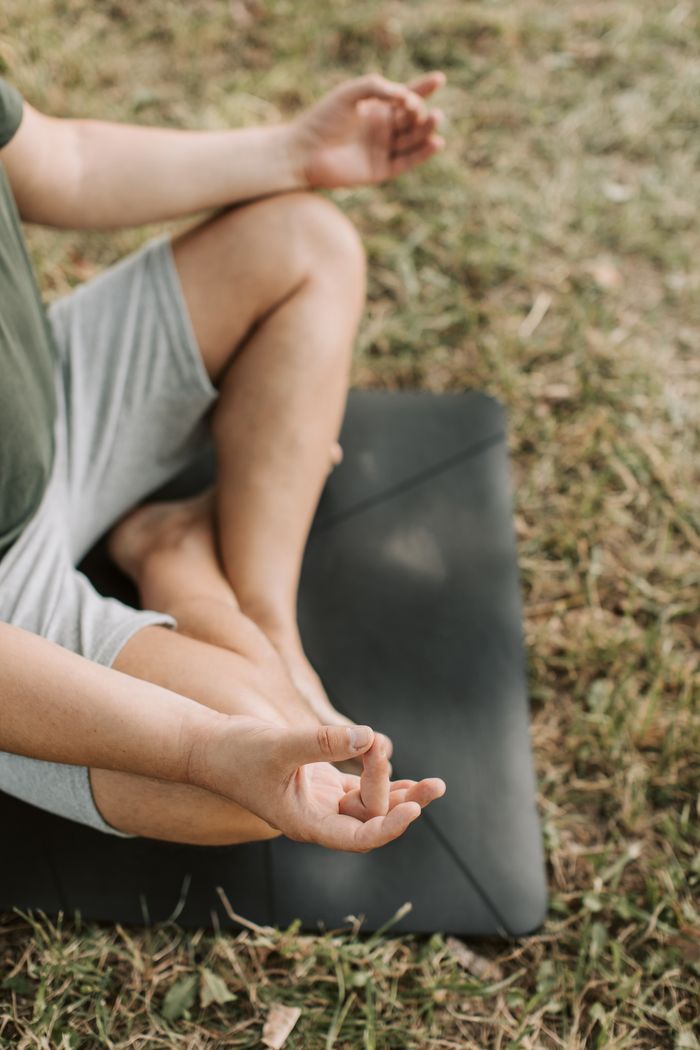
Discover how posture, movement, and body awareness shape your mind—and why ancient practices like Qigong and Tai Chi remain surprisingly relevant today.
Have you ever noticed how your posture changes when you’re stressed?
Without even realizing it, your shoulders rise, your breathing becomes shallow, your neck tightens, and your gaze narrows. Now think about the opposite: moments when you feel calm, confident, or deeply relaxed. Your body naturally opens up, your breathing slows, and movement becomes effortless. This isn’t simply a coincidence—it reflects the remarkable two-way communication between your brain and your body.
Modern neuroscience has shown that our nervous system is constantly collecting information not only from the outside world but also from within ourselves. Every position you take, every step you walk, and every breath you inhale sends thousands of sensory signals to the brain. These signals help regulate attention, emotional state, balance, and even how safe or threatened we perceive our environment to be. In other words, posture doesn’t merely reflect how you feel—it can also influence how you feel.
More Than Good Posture
For many people, posture is associated with preventing back pain or avoiding neck strain. While these are important benefits, posture serves a much broader purpose. The way you stand, sit, and move continuously changes the information flowing through your nervous system.
Your muscles, joints, eyes, inner ears, and skin constantly provide feedback to the brain. Together, they create an internal map of where your body is in space—a process known as proprioception. At the same time, your vestibular system, located within the inner ear, monitors balance, head position, and movement. These systems work together every second of every day, helping you maintain stability, coordinate movement, and interact confidently with the world around you.
When posture becomes rigid or movement becomes limited—as often happens during prolonged sitting or periods of chronic stress—this sensory feedback changes. Over time, this may contribute to muscle tension, reduced mobility, mental fatigue, and an increased perception of stress. While posture alone is not the cause of these issues, it forms an important part of the body’s overall regulatory system.
Movement Is Information
One of the most fascinating discoveries in modern movement science is that movement is not simply exercise—it’s information.
Gentle, coordinated movement provides the nervous system with continuous sensory input that helps refine balance, coordination, body awareness, and motor control. This is one reason why activities involving slow, intentional movement have attracted growing scientific interest over the past decade.
Research suggests that mindful movement practices may support improvements in balance, mobility, perceived stress, and overall quality of life, particularly when practiced consistently. Rather than relying on intensity, these approaches emphasize precision, awareness, and coordination—qualities that benefit people of all ages.
Ancient Practices, Modern Understanding
Centuries before neuroscience began describing proprioception or vestibular function, traditional disciplines such as Qigong and Tai Chi were already emphasizing upright posture, relaxed alignment, controlled breathing, and deliberate movement.
Although the language was different, the underlying observation was remarkably similar: the way we organize our body influences the way we experience our mind.
Today, researchers continue exploring how these practices may support healthy aging, improve balance, enhance body awareness, and contribute to emotional well-being. While there is still much to learn, the growing body of evidence suggests that these gentle movement systems can play a valuable role within a healthy lifestyle when practiced regularly alongside other evidence-based health habits.
Small Adjustments, Meaningful Results
Improving body awareness doesn’t require dramatic changes.
Begin by noticing how you sit while working, how your feet connect with the ground when standing, or whether your breathing changes as you move throughout the day. Relax your shoulders, lengthen your spine without becoming rigid, soften unnecessary tension in your jaw, and allow your breath to flow naturally.
These simple adjustments may seem insignificant at first, yet repeated consistently they become the foundation of healthier movement patterns and greater awareness.
This is precisely why practices such as mindfulness, breathwork, Qigong, and Tai Chi begin with the body. Before changing your thoughts, they invite you to change your relationship with movement, posture, and breath. As your awareness grows, these small daily practices often become more than exercises—they become practical tools for building resilience, improving focus, supporting healthy aging, and cultivating a calmer, more balanced way of living.
Continue Your Journey
Curious to experience these principles for yourself?
Explore our growing collection of practical guides on mindfulness, breathwork, Qigong, and Tai Chi, or join our free beginner-friendly challenge to start building a simple daily practice. If you’re ready to go further, we’ve also curated a selection of trusted courses, books, and digital resources to help you deepen your understanding and develop lasting habits—one mindful step at a time.