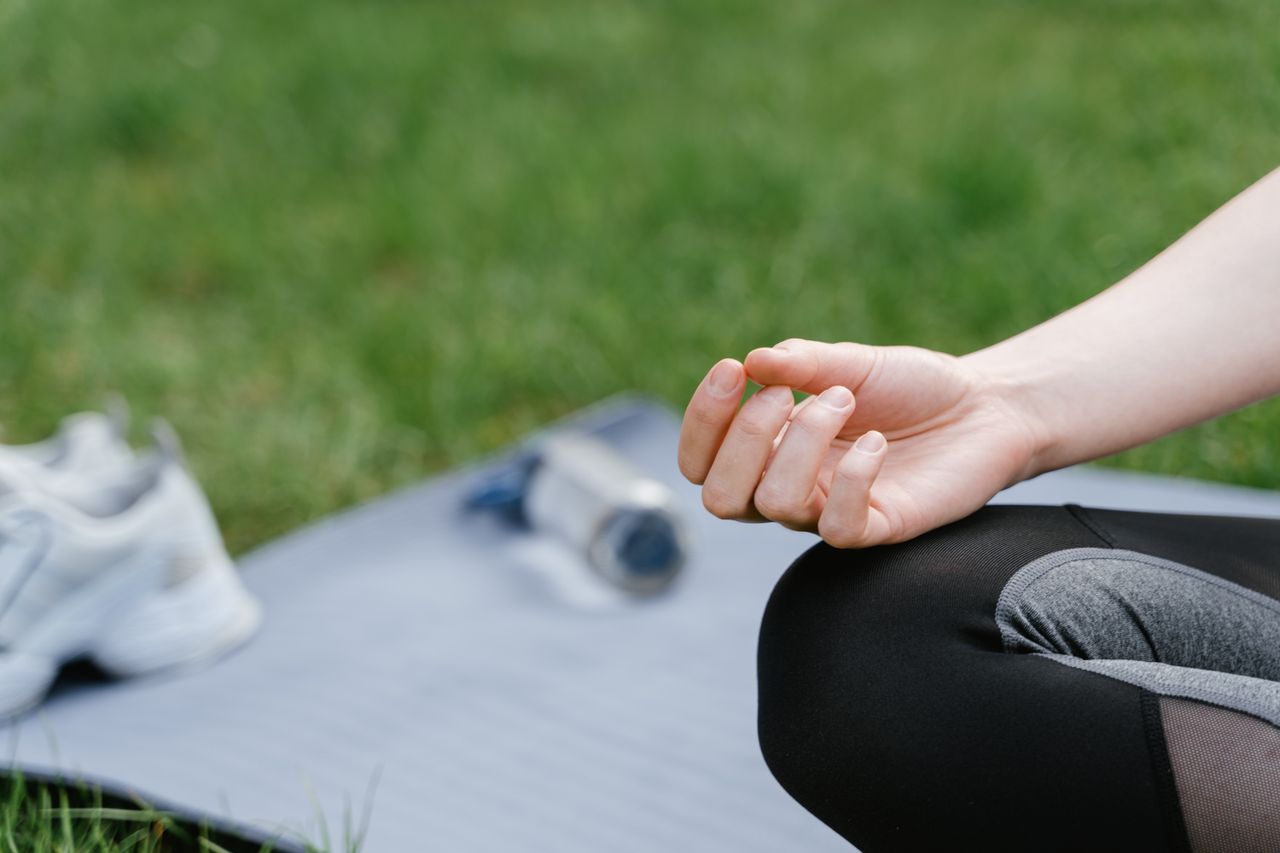


Mindfulness is not a trick, a trend, or a tidy checklist. It is a quiet apprenticeship with the present moment — a deliberate learning to notice, to soften, and to respond rather than react. In a world that prizes speed and distraction, mindfulness offers a different currency: clarity, steadiness, and the capacity to meet life with more ease. This article lays out what mindfulness truly is, what it is not, and how to begin a practice that actually changes your nervous system, your posture, and the way you live.
Modern life trains the mind to sprint. Notifications, multitasking, and the constant churn of information keep attention fragmented and the body tense. Mindfulness interrupts that pattern. Practiced regularly, it reduces rumination, lowers baseline stress, and improves focus. On a practical level, people who cultivate mindful attention report better sleep, clearer decision‑making, and more resilient emotional responses. On a deeper level, mindfulness reconnects you to the simple fact of being alive — the breath, the body, the senses — and from that reconnection everything else becomes more manageable.
Mindfulness is not about escaping life; it is about inhabiting it more fully. When you learn to observe your inner weather without being swept away, you gain freedom: the freedom to choose how to respond, the freedom to rest, and the freedom to act with intention.
What Mindfulness Is
At its heart, mindfulness is three things: awareness, acceptance, and presence.
- Awareness means noticing what is happening — thoughts, emotions, bodily sensations, sounds, and sights — with a curious, nonjudgmental attention.
- Acceptance means allowing those experiences to be as they are, without immediately trying to fix, push away, or amplify them.
- Presence means returning your attention to the here and now, again and again, like training a muscle.
These elements are simple but profound. Mindfulness is a practice of small returns: you notice the mind wandering, you bring it back, you notice again. Over time, those returns reshape neural pathways, strengthen attention, and cultivate a steadier baseline of calm.
What Mindfulness Is Not
Clearing your mind completely is not the goal. Thoughts will arise; the practice is to notice them without getting pulled into their stories. Mindfulness is not a performance or a spiritual badge to wear; it is a practical skill that can be practiced while washing dishes, walking, or waiting in line. It is not a cure‑all or a replacement for professional care when needed. Finally, mindfulness is not about suppressing emotion; it is about learning to be with emotion so it can move through you rather than get stuck.
If you expect immediate transformation, you will likely be disappointed. The real power of mindfulness is cumulative and subtle: small shifts that compound into lasting change.
Simple Practices to Begin Today
You do not need a cushion, a retreat, or an hour of silence. Start with practices that fit into your life.
- Three‑Minute Anchor
- Sit or stand comfortably.
- Take three slow, full breaths, noticing the sensation of air entering and leaving the body.
- Let attention rest on the breath for the remainder of the minute.
- Mindful Pause
- Before responding to a message or email, take one breath and notice your body.
- Name the feeling you notice (tension, impatience, curiosity).
- Respond from that small space of awareness.
- Body Check‑In
- Scan from head to toe, noticing tension or ease.
- Soften any tight areas with an exhale.
- Return to your activity with a gentler posture.
- Walking Attention
- Walk slowly for two minutes, feeling each footfall.
- Notice the rhythm of movement and the contact of foot with ground.
These practices are short by design. The aim is not to do more but to do it consistently. Ten minutes a day, practiced daily, will yield more benefit than sporadic long sessions.
Make Mindfulness Stick
Consistency is the secret. Anchor practice to existing routines: after brushing your teeth, before your morning coffee, or at the end of the workday. Use gentle reminders: a calendar alert, a sticky note, or a breath before each meeting. Track small wins in a journal: a calmer reaction, a clearer decision, a night of better sleep. Celebrate the tiny changes; they are the proof that the practice is working.
When practice feels stale, vary the method: try a guided breathwork session, a standing Wuji posture, or a mindful walk in nature. These variations keep attention engaged and deepen the embodied aspect of mindfulness.
Closing Invitation
Mindfulness is not a destination but a way of traveling. It asks only for curiosity, patience, and a willingness to return — again and again — to the simple facts of your experience. Begin with small, steady steps. Let your breath be the teacher, your body the map, and your attention the compass. Over time, the quiet work of noticing will reveal a life that feels more present, more resilient, and more alive.
If you’d like, Quiet MindFlow offers guided practices, short courses, and downloadable tools to support a daily habit. These resources are designed to be practical, science‑aligned, and easy to integrate into a busy life — a gentle bridge from curiosity to lasting change.